

Practical support for nonprofit teams doing too much with too little
Nonprofit work is rarely simple. Small teams (and sometimes just one person!) juggle programs, events, communications, systems, and expectations, at the same time and with limited resources. When something breaks or falls behind, there isn’t extra capacity waiting in the wings.
That’s the reality I know well.
I work with nonprofit teams to bring clarity, structure, and hands-on support to the work that keeps that truly matters.
HOW I HELP
When your team is small, everything feels important. Priorities compete, systems grow messy, and the work keeps moving whether you’re ready or not. I can help bring clarity, structure, and momentum so things feel more manageable and intentional.
Get Clear
We sort through what’s urgent, what’s important, and what’s actually worth your time right now.
This often includes:
Clarifying priorities when everything feels critical
Tightening messaging or content direction
Making sense of ideas that haven’t fully taken shape yet
Build What You Need
I help set up practical systems and tools that fit how your team actually works.
This might look like:
Organizing contact lists, CRMs, or internal records
Making sure websites, forms, and tools work together
Creating simple processes you don’t have to reinvent every time
Tell Your Story
Good content isn’t about posting more. It’s about capturing what matters and sharing it thoughtfully.
This can include:
Long-form content, campaigns, or storytelling pieces
Turning photos, videos, or milestones into meaningful keepsake-style content
Helping you document work you don’t want to lose or forget
Once we know what kind of support would actually help, we figure out the best way to work together.
Hands-On/Event Support
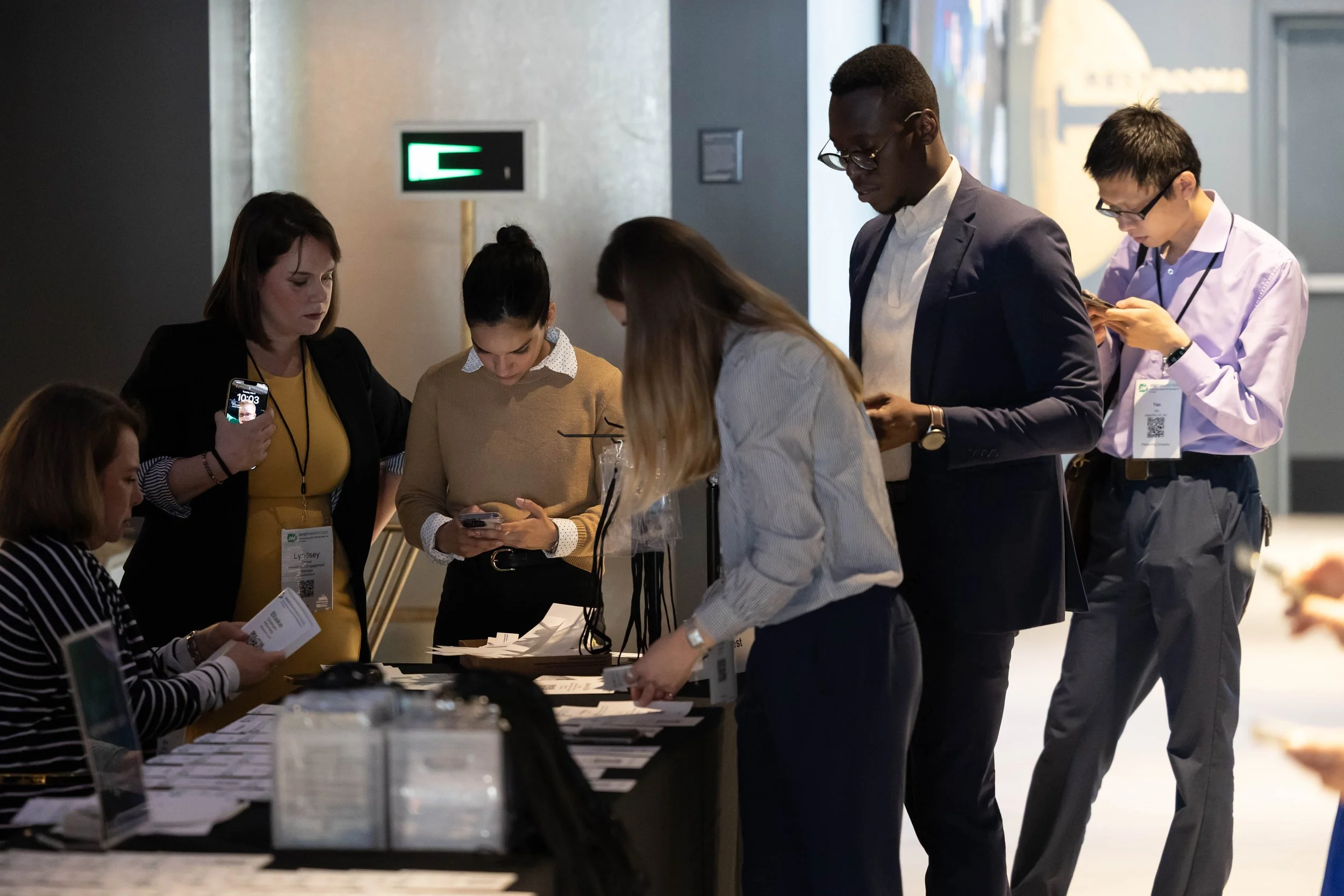
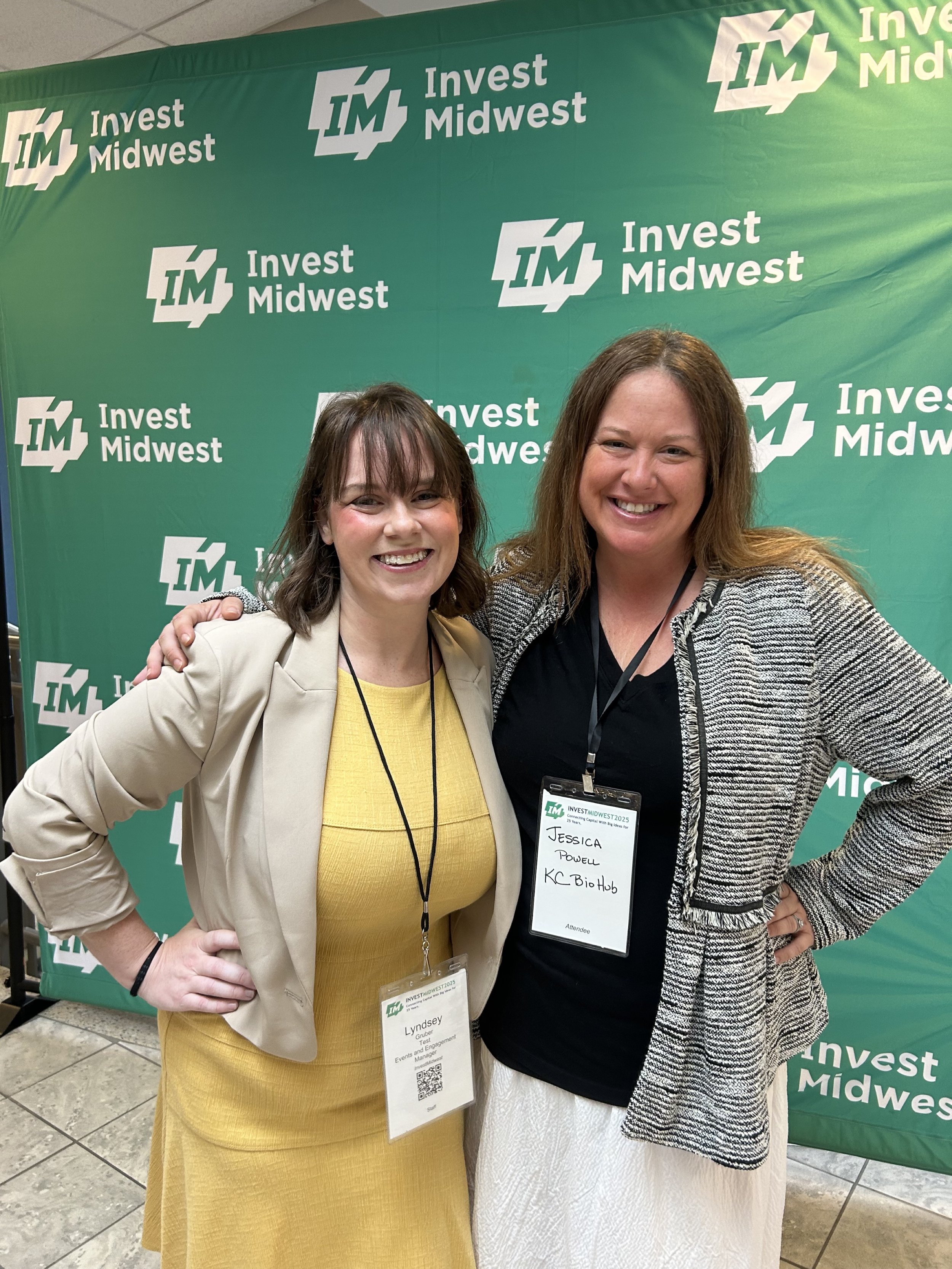
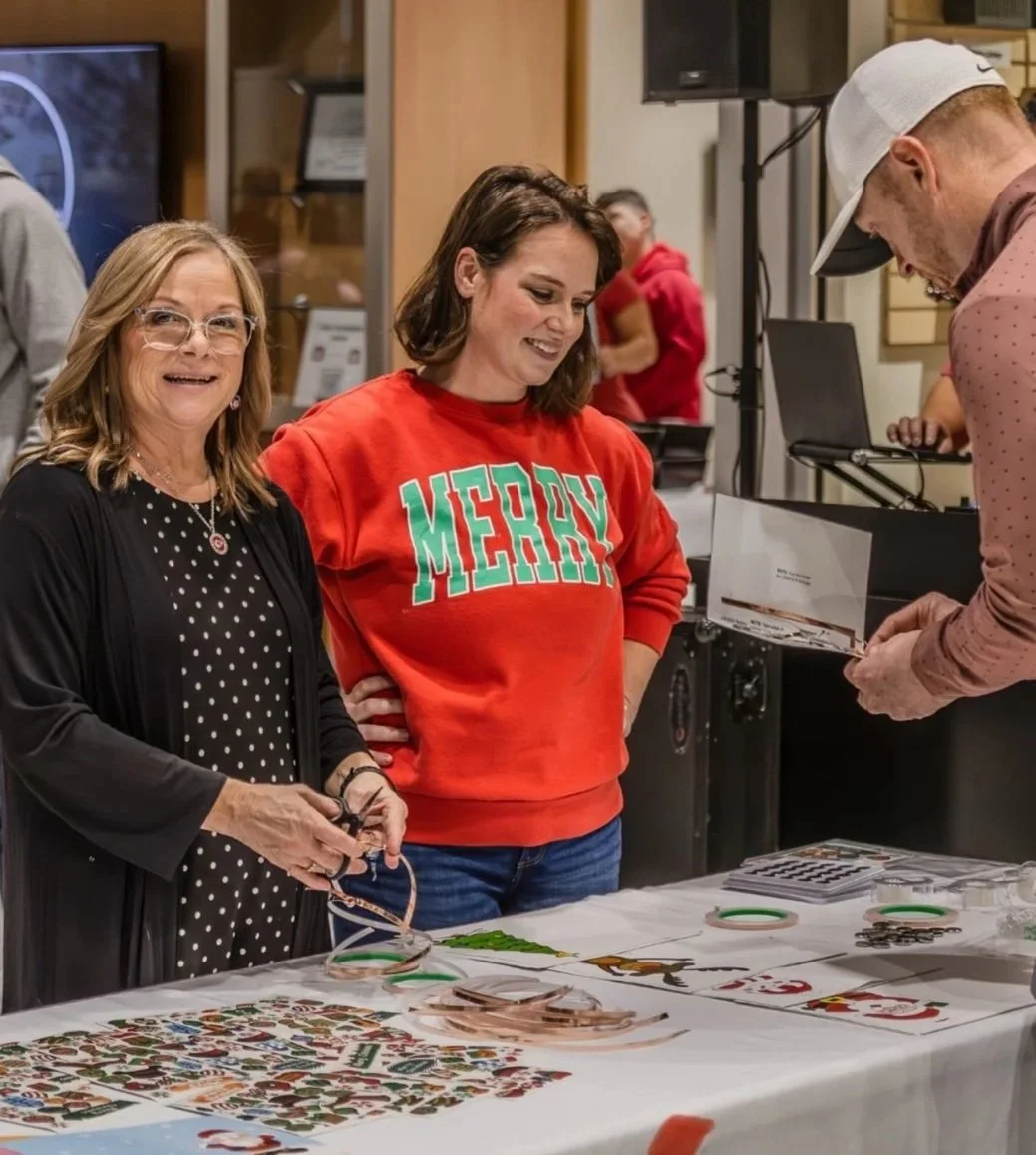
Some moments call for more hands on deck. I step in when timing, details, or visibility matter and things need to be handled thoughtfully.
This often looks like:
Event or program support
Extra help during busy seasons or transitions
Coordinating moving pieces across people and timelines
Helping important work move forward when time is tight
Project-Based Support
Best for teams who have a specific need and want focused, short-term help.
This type of work is a good fit when:
a project has been sitting unfinished
internal bandwidth is limited
you want the work done and understand how to manage it going forward
Examples of project-based support:
Website refreshes or cleanup
Content organization or creation
CRM, contact list, or system cleanup
Event or program support
Campaign or communications projects
Turning half-formed ideas into something usable
Short-Term or As-Needed Support
Sometimes the need isn’t a single project, but extra capacity for a defined period of time.
This support works well during:
busy seasons
transitions or leadership changes
event-heavy months
growth periods where hiring full-time doesn’t make sense
This work is scoped around time, priorities, and clear expectations so it stays helpful without becoming open-ended.
Strategy + Hands-On Support
For teams who don’t just need help doing the work, but help figuring out what the work should be.
This often includes:
clarifying priorities and direction
deciding what’s worth your time and what isn’t
building systems together instead of handing things off
creating tools and processes your team can manage independently
The goal is not ongoing dependence. It’s leaving your team more confident and capable than when we started.
What to Expect
No matter how we work together, you can expect:
Clear scope before work begins
Practical, realistic recommendations
Respect for your budget and capacity
Collaboration instead of mystery
Systems and work you understand how to manage
I don’t sell retainers, long-term contracts, or “done-for-you forever” services. The goal is support that actually fits your organization.
A Note on Pricing
All work is quoted based on scope, timeline, and complexity.
To give you a general sense:
Smaller projects often fall in the hundreds to low thousands
Larger projects or short-term support typically land in the low to mid four figures
I’m thoughtful about budgets and aim to scope projects in a way that makes sense for smaller organizations. If cost is a concern, that’s something we can talk through early.
There’s no one-size-fits-all way to support small teams. Most of my work is scoped intentionally based on what’s actually needed, how much capacity you have, and what makes sense for your budget.
All projects are quoted before we start with the goal being clarity and confidence.
WAYS TO WORK TOGETHER
Are We a Good Fit?
This work is best suited for nonprofit teams who want thoughtful, practical support without adding unnecessary complexity.
We tend to work well together if you:
Operate with a small team and shared responsibilities
Want help bringing clarity and structure to work that already exists
Value collaboration and transparency over “done-for-you” outsourcing
Care about building systems your team can manage long after I’m gone
Are mindful of budget and want support scoped intentionally
This may not be the right fit if you:
Are looking for full-time hours or a long-term embedded role
Want to hand everything off with little involvement from your team
Need aggressive fundraising or sponsorship sales support
Prefer big-agency processes, retainers, or ongoing execution without learning
My goal is to support nonprofit teams in a way that’s realistic, respectful, and sustainable, not to replace internal staff or create long-term dependence.
About My Work With Nonprofits
I’ve spent my professional career working inside very small teams, often with three people or fewer. In those environments, everyone wears multiple hats, systems evolve out of necessity, and there isn’t much room for inefficiency.
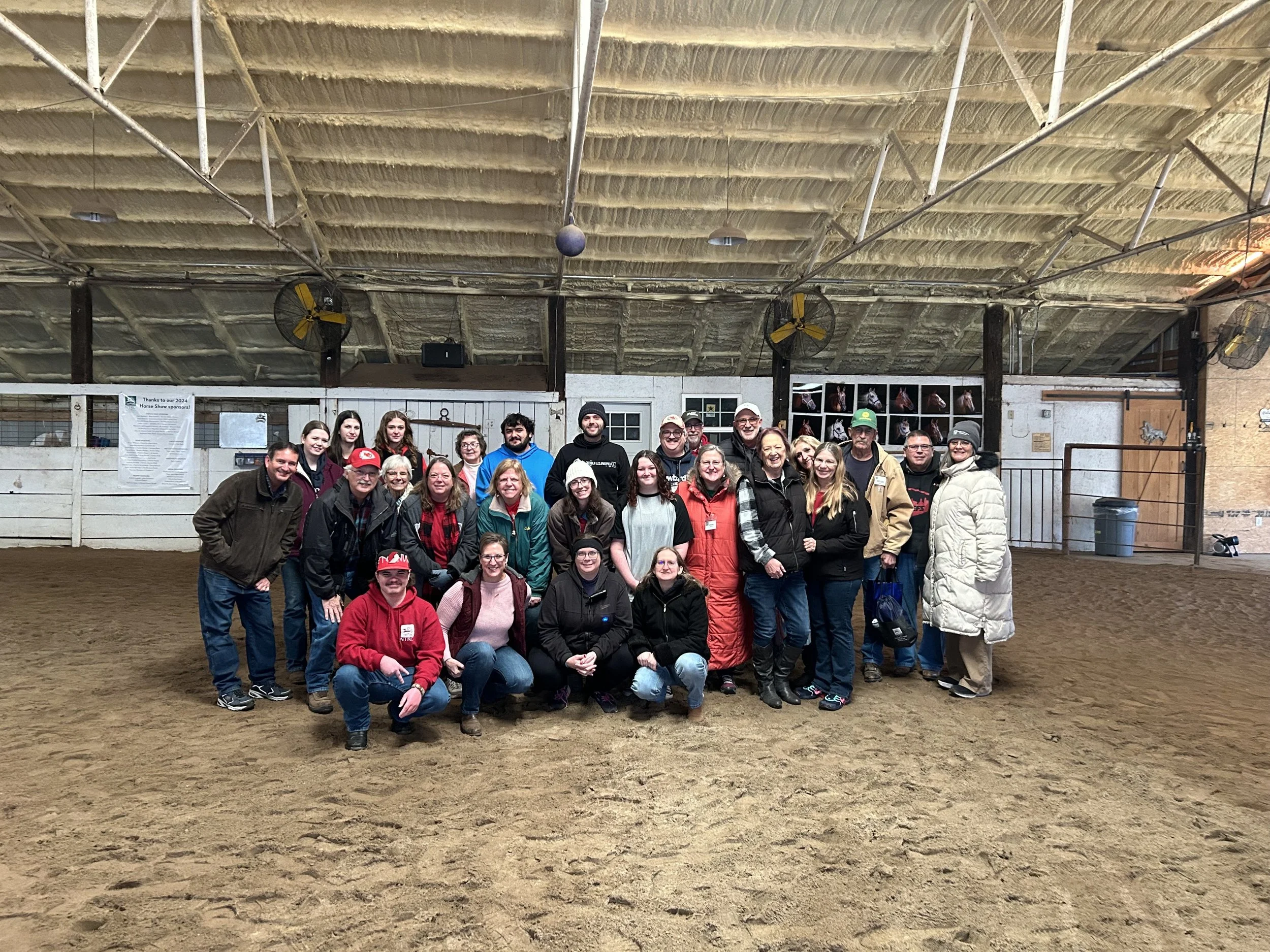
Alongside my work with equestrian businesses and startups, I’ve spent several years supporting nonprofit operations from the inside. I’ve supported nonprofits of varying sizes across programs, events, communications, and operations, working closely with teams to keep things moving while everything else is already in motion.
I don’t come in to change how your organization works or impose a new way of doing things. I work with what’s already there, helping you strengthen it, simplify it, and make it easier to manage with the team you have.
A big part of my approach is transparency and teaching. My goal is never to make you dependent on outside support, but to leave your team more confident, capable, and clear than when we started.